Hot air welding technology utilizes specialized hot air welding machines that deliver controlled heated air at temperatures ranging from 700°F to 1,350°F combined with targeted pressure to create molecular bonds between thermoplastic materials. These advanced machines are central to the hot air welding technology process, enabling the formation of airtight, waterproof seams that often exceed the strength of the parent material itself.
This technology provides a comprehensive solution for thermoplastic joining, featuring various machine types and automation levels tailored to industry needs. Designed for professionals like manufacturing engineers and contractors, hot air welding machines improve production efficiency, weld quality, and long-term durability. Proper machine selection is essential to avoid issues such as inconsistent seam width, human error, and reduced product quality.
Hlavní body týkající se svařovacích strojů na horký vzduch a související technologie
- Přesné nastavení teploty, tlaku a rychlosti je nezbytné pro vytváření pevných a rovnoměrných svarů u termoplastických materiálů.
- Různé typy strojů – od ručních až po plně automatické – nabízejí funkce přizpůsobené konkrétním požadavkům, aby vyhovovaly různým objemům výroby a potřebám v dané oblasti použití.
- Automatizace zvyšuje efektivitu svařování, omezuje lidské chyby a zajišťuje konzistentní kvalitu svarů, což přispívá k dlouhodobé životnosti.
- Správný výběr stroje a jeho údržba mají zásadní význam pro dosažení spolehlivých, odolných a vzduchotěsných spojů v nejrůznějších průmyslových aplikacích.
Co je svařování horkým vzduchem?
Hot air welding machines are precision equipment that create molecular bonds in thermoplastic materials through controlled application of heat and pressure. This welding process fundamentally differs from traditional metal welding by using heated air rather than electric arcs to achieve material bonding.
The core process involves directing a stream of heated air to the interface between two pieces of thermoplastic material. This heat softens the material surfaces until their molecular structure becomes mobile. Pressure rollers or manual application then compresses these softened surfaces together, creating bonds that form an airtight, waterproof seam.
This technology matters because it produces professional results without adhesives, solvents, or mechanical fasteners. The resulting joints demonstrate superior durability and can withstand demanding environmental conditions across many applications. For a step-by-step look at the process, see our guide to how hot air welding works.
Základní součásti a fungování
Topné prvky zajišťují přesnou regulaci teploty, která je nezbytná pro konzistentní svařování různých materiálů a tlouštěk. Systémy přívodu vzduchu jsou vybaveny mechanismy pro stlačený vzduch, které nasměrují ohřátý vzduch přes speciální trysky pro cílené použití. Mechanismy pro vyvíjení tlaku zahrnují motorizované válce nebo ruční nástroje, které zajišťují rovnoměrný kontakt během svařovacího procesu.
Tyto komponenty spolupracují, aby dosáhly přesné regulace teploty a tlaku, která je rozhodující pro kvalitní svary. Moderní stroje jsou vybaveny digitálním ovládáním, které eliminuje odhady a snižuje riziko lidské chyby při nastavování optimálních svařovacích parametrů.
Systémy regulace teploty a tlaku
Advanced control systems feature programmable settings that store optimized parameters for different thermoplastic materials including polyurethane, PVC, and TPO membranes. Temperature monitoring ensures consistent heat application while pressure regulation maintains uniform seam formation.
Automatic welders with digital controls can achieve efficiency levels impossible with purely manual processes while maintaining the ability to adjust parameters for specific manufacturing requirements.
Typy horkovzdušných svařovacích strojů
Ruční horkovzdušné svařovací hořáky
Handheld hot air welders are portable tools with variable temperature and airflow controls for detail work, field repairs, complex geometries and tight spaces. Miller Weldmaster’s EliteAir Industrial hot air welder weighs 2.4 lb (1.1 kg), reaches up to 1,202°F (650°C) and runs on 120–220 VAC for in-house or in-the-field repairs of industrial fabrics such as tarps, signs, inflatables, geomembranes and tension structures.
Manual hot air welders excel in applications requiring operator precision and flexibility. Their portability makes them ideal for on-site installation work and repair jobs where larger equipment cannot reach. However, the manual process requires skilled workers to maintain consistent speed and pressure for uniform results.
Poloautomatické svařovací systémy
These systems combine motorized movement with operator control, delivering consistent speed settings while maintaining manual oversight capabilities. The automation eliminates inconsistencies in travel speed while allowing workers to adjust pressure and monitor weld quality in real-time.
Unlike handheld units, semi-automatic machines provide enhanced consistency through mechanized movement control. This approach benefits medium-volume production requiring a balance of flexibility and repeatability without the complexity of fully automated systems.
Miller Weldmaster’s entry-level machines weld at 8–14 m/min; its standard full-size machines store recipes for quick setting recall and weld at up to 35 m/min. The T300 Flex, its most universal welder, combines hot air and hot wedge welding with an array of seam types at up to 30 m/min (100 ft/min).
Automatické svařovací stroje
Fully automated systems feature programmable controls and high production efficiency. These purpose built machines store welding recipes for different materials and automatically adjust temperature, pressure, and speed settings.
Mass manufacturing applications benefit from reduced operator error and precise temperature and alignment control. The automation level achieves consistent seam width and eliminates variations that can lead to quality issues in high-volume production.
Miller Weldmaster’s automated welding machines are custom built. They can weld multiple rolls of material at once and combine welding with gluing, sewing, grommeting, printing, visual inspection and cutting, controlled from a PLC touch screen with recipe storage; the Moduline System, for example, automates tarp and cover production. Miller Weldmaster reports that most of its automation customers see a return on investment in under two years.
Speciální vybavení
Some hot air welders are built for one product family. Miller Weldmaster’s specialized machines include the TG3600 for geomembrane liners and covers, the FX100 for flexible reinforced ducting and tubing, the BT2000 for flexible storage tanks and bladders, the HG50 banner finishing machine, which welds, grommets and cuts in a single station, and the Calibration Tube System for cured-in-place pipe. These specialized systems address specific industry requirements that general-purpose machines cannot efficiently handle.
Průmyslové aplikace a průvodce výběrem svařovacích strojů na horký vzduch
Building on the machine types available, successful implementation requires aligning each machine’s capabilities with the specific demands of your production environment. This includes evaluating how well the equipment supports your materials, workflow, and workplace conditions to ensure long-term performance.
Krok za krokem: Jak vybrat svařovací stroj na horký vzduch
Step 1 — Material Compatibility Assessment
Určete typy termoplastů, rozsahy tloušťky a teplotní požadavky pro vaše materiály. Otestujte svary při různých teplotních nastaveních, abyste se ujistili o jejich kompatibilitě, než se rozhodnete pro nákup zařízení.
Step 2 — Production Volume Analysis
Zvažte, zda vašim požadavkům na výrobní výkon nejlépe vyhovují manuální, poloautomatické nebo automatické systémy. Zohledněte přitom jak současnou kapacitu, tak i budoucí požadavky na rozšíření.
Step 3 — Workplace Requirements Evaluation
Zhodnoťte požadavky na přenosnost, dostupnost napájení, přístup ke stlačenému vzduchu a omezení pracovního prostoru. Zohledněte bezpečnostní požadavky a možnosti školení obsluhy pro váš tým.
Step 4 — Feature Prioritization
Vyberte si základní ovládací prvky, typy trysek a úroveň automatizace podle svých standardů kvality a cílů v oblasti efektivity. Zohledněte také servisní podporu a dostupnost náhradních dílů od výrobců.
Srovnání svařovacích strojů na horký vzduch: ruční vs. automatické systémy
Volba mezi ručními a automatickými systémy závisí na požadavcích na objem výroby a na potřebě konzistentní kvality. Ruční systémy nabízejí flexibilitu a nižší počáteční náklady, ale k dosažení profesionálních výsledků vyžadují kvalifikované obsluhující pracovníky. Automatické systémy poskytují vyšší efektivitu a eliminují lidské chyby, vyžadují však větší kapitálové investice a průběžnou údržbu.
I při správném výběru zařízení se obsluhující pracovníci často potýkají s problémy, které mají vliv na kvalitu svarů a efektivitu výroby.
| Funkce | Ruční proces | Automatické svářečky |
| Rychlost výroby | Depends on the operator | Up to 35 m/min (115 ft/min) on Miller Weldmaster full-size machines |
| Počáteční investice | Lowest (handheld tools) | Higher; fully automated systems are custom built |
| Vyžadují se praktické dovednosti | Je zapotřebí vysoká odbornost | Základní výcvik postačí |
| Konzistence | Různé, záleží na kvalifikaci pracovníka | Konzistentní výsledky díky digitálnímu ovládání |
| Potřeby údržby | Minimální, základní úklid | Regular calibration and component replacement |
Časté problémy a jejich řešení při svařování horkým vzduchem
Porozumění typickým provozním problémům pomáhá udržovat stálou kvalitu a maximalizovat výkon zařízení v průběhu celého výrobního procesu.
Úkol 1: Kolísající kvalita svarů
Řešení: Zaveďte digitální regulátory teploty s možností uložení nastavení a připravte pro svůj tým komplexní školicí programy.
Kalibrační postupy by se měly provádět pravidelně, aby byla zajištěna přesnost teploty, zatímco protokoly pro sledování kvality pomáhají odhalit odchylky dříve, než ovlivní výrobu. Zavedení standardizovaných svařovacích postupů snižuje kolísání a zlepšuje celkovou kvalitu napříč různými operátory a směnami.
Úkol 2: Problémy s kompatibilitou materiálů
Řešení: Ověřte teplotní rozsahy pro konkrétní termoplastické materiály, vyberte trysky vhodné pro danou tloušťku materiálu a před zahájením sériové výroby proveďte zkušební svary.
Specifikace materiálů se mezi jednotlivými výrobci výrazně liší, což vyžaduje ověření parametrů svařování pro každý nový zdroj materiálu. Tabulky kompatibility slouží jako vodítko pro počáteční nastavení teploty, avšak nejspolehlivějším způsobem ověření optimálních parametrů jsou samotné zkušební svary.
Úkol č. 3: Údržba zařízení a prostoje
Řešení: Stanovte plány preventivní údržby a udržujte dostatečné zásoby náhradních dílů, abyste minimalizovali přerušení výroby.
Pravidelné čištění zabraňuje hromadění nečistot, které může narušit přenos tepla a proudění vzduchu. Plány výměny komponentů založené na počtu provozních hodin pomáhají předcházet neočekávaným poruchám, které mohou vést k nákladným prostojům a zpoždění dodávek.
Příklady použití svařovacích strojů a technologií na horký vzduch
Hot air welding machines and hot air welding technology play a vital role across a wide range of industries and product applications where strong, durable, and airtight seams are essential. Their ability to create seamless bonds in thermoplastic materials makes them ideal for manufacturing products that require high performance and long-term durability. Whether in factory settings or on-site installations, these machines provide efficient and reliable solutions for joining sheets, membranes, and coated fabrics.
Common applications include industrial fabric fabrication, roofing membrane installation, and the production of inflatables and tarpaulins. The versatility of hot air welding technology allows it to accommodate various material thicknesses and seam widths, making it suitable for both small detail work and large-scale manufacturing processes. Additionally, portable hot air welders enable field repairs and maintenance, extending the usability of products and reducing downtime.
Případy použití
- Tarpaulins, covers and truck side curtains
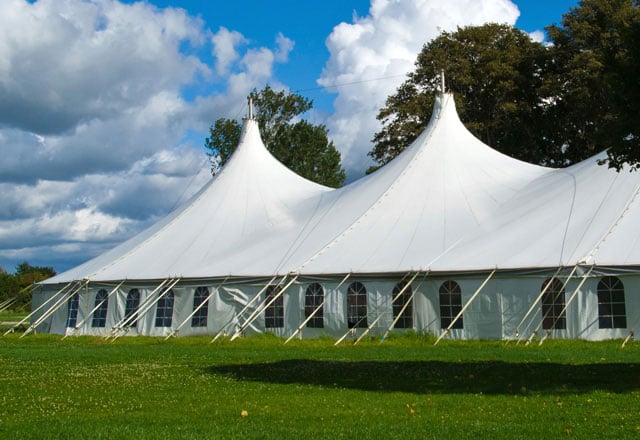
- Tents, shelters, structures and clear span buildings
- Banners, signs and billboards
- Awnings, shades, tension structures and pergolas
- Pool covers and pools
- Geomembrane liners and roofing membranes
- Flexible storage tanks and bladders
- Flexible ducting and tubes
- Inflatables, evacuation slides and containment booms
- Cured-in-place pipe and filtration tubes
- Agricultural and gym curtains, roller doors, mattresses and athletic mats
- On-site repairs with handheld welders
Vyberte si Miller Weldmaster potřebujete svařovací stroj na horký vzduch
Svařovací stroje na horký vzduch od Miller Weldmaster při správném výběru a obsluze univerzální řešení pro spojování termoplastů. Pokročilá technologie Miller Weldmasternabízí významné výhody při vytváření trvanlivých a vzduchotěsných spojů bez použití lepidel či rozpouštědel, což z ní činí nepostradatelný nástroj pro odvětví, která vyžadují spolehlivou kvalitu svarů.
Jak začít s Miller Weldmaster
- Step 1: Define Your Requirements
Assess your material requirements and production volume needs with Miller Weldmaster’s expert guidance. - Step 2: Evaluate Your Workspace
Evaluate workspace constraints and automation benefits tailored to your application by Miller Weldmaster specialists. - Step 3: Connect with an Expert
Contact Miller Weldmaster equipment experts to discuss specific machine capabilities, request demonstrations, and receive personalized support to optimize your welding process.

 ZJISTIT VÍCE